Building a #PeriodFriendlyWorld: What the Adolescent Health and Wellbeing Study in Malawi Reveals About Menstrual Hygiene in Schools

More Than Just Doors: Creating Safer and More Dignified School Toilets

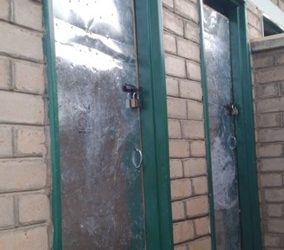
As part of the ongoing learning and adaptation process, the research team introduced an additional improvement at Chimwankhunda Primary School: the installation of doors on the school toilets. This enhancement followed feedback from key stakeholders particularly school management and learners who raised concerns about unrestricted community access to the school sanitation facilities. Such access was found to affect both the effective implementation and the long-term sustainability of the TIPs activities. Importantly, learners also highlighted the need for improved privacy while using the toilets.

Our Women Early Career Researchers Reflect on Their Journey in Global Health

In the spirit of this year’s International Women’s Day themes; from “Rights. Justice. Action. For ALL Women and Girls” to the call to “Give to Gain” – their journeys remind us that progress is built through collaboration, mentorship, and the sharing of knowledge and opportunities. By investing in women researchers today, we help strengthen the evidence, leadership, and partnerships needed to improve the health and wellbeing of adolescents and communities tomorrow. With that, we thank all the phenomenal women Early Career Researchers across the project for sharing their experiences and for the important contributions they continue to make to global health research.

World Day of Social Justice 2026

On World Day of Social Justice, we’re reminded that too many adolescents still face futures shaped by inequality.
At NIHR-GHRG on Adolescent Health & Wellbeing in Malawi, we’re working to change this by elevating young people’s voices and examining how policies impact their lives.
Our research tackles gaps in education, health, protection, and representation, ensuring no adolescent is left behind.
Learn how we’re advancing fairer, more inclusive systems for young people worldwide.

Adolescents have a voice if we create a space to listen to them – co-planning a water refilling approach with adolescents and teachers

When a group of learners and teachers came together at a primary school in Mchinji, something powerful happened: young people were given the space to speak and adults truly listened. In this co‑planning meeting, adolescents shared practical ideas to improve how water is refilled at school handwashing stations, offering thoughtful solutions that surprised everyone. Their voices shaped the way forward, showing just how much can change when young people are invited into the conversation and given agency.

World Toilet Day

This World Toilet Day, we’re tackling one of the most overlooked challenges in education: safe, clean, and welcoming toilets for learners. Through the NIHR-GHRG initiative in Malawi, schools are co-creating practical solutions, from vibrant murals and sanitation-themed games to improved facilities and hygiene messaging. These changes go beyond cleanliness, they foster dignity, comfort, and wellbeing, ensuring every learner feels respected and supported.
Join us in making sanitation a priority. Share this message, support local initiatives, and help create environments where every child can learn with dignity. Together, we can turn neglected spaces into places of care and pride.

Our future is at hand, let’s move forward together – learning from what works

As the world observes Global Handwashing Day, the NIHR Global Health Research Group highlights ongoing efforts in Malawi to improve handwashing with soap among adolescents—where less than 1% of observed handwashing opportunities currently include soap use. Using the COM-B behaviour change approach, researchers are co-developing a participatory hand hygiene intervention with students and teachers in rural Mchinji to make handwashing easier, more appealing, and consistent. Through hands-on experiments testing soap types, dispensing methods, and behavioural nudges, the study revealed key preferences and practical challenges. These insights are now guiding a Trial of Improved Practices (TIPs) to create a sustainable, evidence-based solution that empowers young people to make handwashing with soap a lasting habit, truly putting “our future is at hand.”

Celebrating Mental Wellbeing in Young People Using Creative Storytelling in Blantyre, Malawi

As the world marked World Mental Health Day on 10th October, the NIHR Global Health Research Group’s ‘Inspiring Adolescent Wellbeing’ Work Strand in Blantyre, Malawi, celebrated the power of creative storytelling in nurturing young people’s joy, resilience, and belonging. Using the Scottish Storyline methodology, children expressed their emotions and ideas through drawings, drama, and poems – creating safe, inclusive spaces where their voices were heard and valued. The workshops reminded us that mental wellbeing flourishes not only through addressing challenges but also by celebrating creativity, play, and the joy of connection.

“Mental Health Effects of WASH Conditions on Adolescents in Primary Schools in Malawi.”

One of our Early Career Researchers Shadrick Masulani has just given his first national conference presentations and here are some of his insights a reflections!"This year marked a special milestone in my research journey as I had the opportunity to present at two...

REFLECTIONS ON MY FIRST INTERNATIONAL CONFERENCE: ICN CONGRESS 2025 IN HELSINKI, FINLAND

REFLECTIONS ON MY FIRST INTERNATIONAL CONFERENCE: ICN CONGRESS 2025 IN HELSINKI, FINLAND Attending an international scientific conference for the first time is a defining moment in any academic journey. As a PhD student based in Malawi, I had the privilege of...

Adolescent Wellbeing and the Future of African Health Systems: Reflections from the African Health Economics and Policy Association 7th Scientific Conference, 10-14th March 2025, Kigali, Rwanda

I had the privilege of attending and presenting at the African Health Economics and Policy Association (AfHEA) Conference in Kigali, Rwanda. Under the theme “Resilient and Strong African Health Systems: Contributions of Health Economics and Health Policy,” the...

May 28, 2026

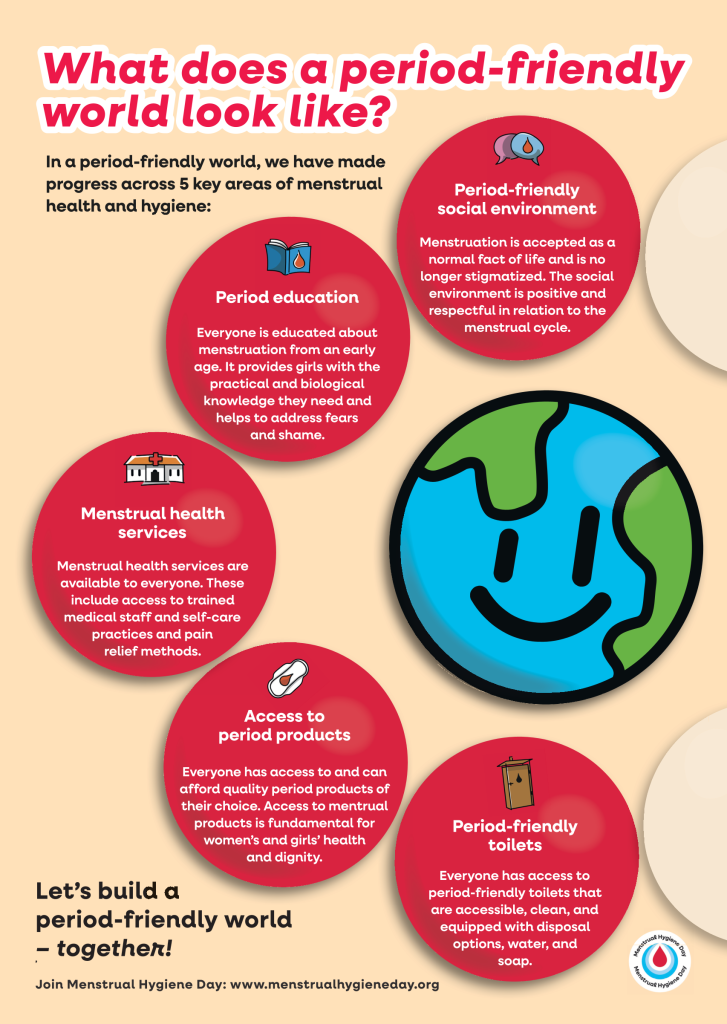
Every year on 28 May, the world commemorates Menstrual Hygiene Day to raise awareness about the importance of menstrual health and hygiene (MHH). In 2026, the global theme “#PeriodFriendlyWorld” calls on governments, communities, schools, health systems, researchers and development partners to create environments where menstruation is managed safely, hygienically and with dignity.
Menstruation is a natural biological process experienced by millions of girls and women worldwide. Yet for many adolescents, especially in low-resource settings, managing menstruation remains difficult due to stigma, inadequate facilities, lack of information and limited access to menstrual products. These challenges affect not only their health and wellbeing, but also education, confidence and participation in daily life.

Our ongoing study on Adolescent Health and Wellbeing in rural and urban Malawi highlights important menstrual hygiene management gaps that continue to affect adolescent girls.

What Our Study Found

While examining and understanding the current status of adolescent health and wellbeing, and how this is influenced by water, sanitation and hygiene (WASH), our study revealed that many schools still lack the basic infrastructure and resources necessary to support menstrual hygiene management.

Out of 10 schools assessed, only 3 (all in urban areas) had menstrual hygiene management change rooms. In the remaining seven schools, (two in urban and five in rural areas), girls relied on ordinary toilets that lacked privacy and dignity. This means that the majority of adolescent girls did not have a safe, private and comfortable space to change menstrual materials during school hours. Further, none of the schools assessed had a handwashing facility, water or soap accessible close by for menstrual hygiene management.

The study also explored the menstrual products commonly used by adolescent girls. Findings showed that:

  • 49% used cloth materials
  • 28% used disposable sanitary pads
  • 23% used reusable pads

The findings highlight the continued reliance on improvised or reusable materials driven by financial constraints and inconsistent access to affordable menstrual products.

Beyond inadequate infrastructure and lack of products, the study also revealed the emotional and social challenges girls face during menstruation. During discussions, some girls shared that they sometimes avoid classes during menstruation due to fear of staining their clothes and bullying from peers. “Here at school when you have a period stain on your clothes some boys laugh at you, others do not say anything but when they are in their groups, they may say certain things and some point at us maybe when you are walking (Adolescent, menstruating girl-School-IDI)”.

Another adolescent boy emphasized the same; “… when the girl is on her period, they start teasing her to get their revenge ….Girls also tease each other but it’s mostly done by boys….Those who hate her even before her puberty use this chance to tease her (Adolescent boy-School)”.

The study highlights how the adolescent girls’ wellbeing may be affected by menstrual health and hygiene challenges. To achieve a period friendly school environment, we need to address the inadequate water, sanitation and hygiene (WASH) services in schools.

Why These Findings Matter

Menstrual hygiene is not only a health issue; it is also an education, gender equality and human rights issue. When schools lack private changing spaces, clean water, soap and disposal systems, girls may feel embarrassed, anxious or unsafe during menstruation. Some may miss classes or stay home entirely, negatively affecting attendance, concentration and academic performance.

The continued use of cloth materials among many girls also reflects broader economic and social inequalities. While reusable menstrual products can be safe and sustainable when properly managed, inadequate changing facilities can make safe use difficult.

What Needs to Be Done

To achieve a truly #PeriodFriendlyWorld, stakeholders must prioritize:

1. Improved School Infrastructure

Schools need private and safe menstrual hygiene management rooms, reliable water supply, handwashing facilities with soap, and proper disposal systems for menstrual materials.

2. Affordable Menstrual Products

Governments and partners should strengthen access to affordable menstrual products, especially for vulnerable and low-income adolescents.

3. Comprehensive Menstrual Health Education

Girls and boys need accurate information about menstruation to reduce stigma, myths and discrimination. Menstrual health education should be integrated into school and community programs.

4. Community Engagement

Parents, teachers, traditional leaders and religious leaders all have a role in creating supportive environments where menstruation is discussed openly and respectfully.

A Call to Action

As the world commemorates Menstrual Hygiene Day 2026, our study serves as a reminder that many girls are still managing menstruation under difficult conditions. A #PeriodFriendlyWorld can only become reality when every girl has access to safe spaces, clean water, menstrual products, accurate information and supportive communities. No girl should miss school, feel ashamed, or struggle to manage her period with dignity. On this Menstrual Hygiene Day, let us move beyond awareness and commit to meaningful action that supports adolescent girls’ health, education, and wellbeing. Together, we can create schools and communities where menstruation is no longer a barrier to opportunity and dignity.
#PeriodFriendlyWorld #MHDay2026 #MenstrualHealth #MenstrualHygiene #GirlsEducation #WASH #AdolescentHealth

Written by: Felistas Mpachika, PHD student, Kamuzu University of Health Sciences, Centre for Reproductive Health, Monica Nzanga, Malawi University of Business Studies and Applied Sciences, WASHTED
More from us ….

World Day of Social Justice 2026

Empowering inclusion and addressing systemic inequalities through inclusive policies and social protection  Every year on 20 February, World Day of Social Justice reminds us that a young person’s future should never be determined by where they are born, their gender,...