The NIHR Global Health Research Group on Adolescent Health and Wellbeing, in partnership with MUBAS (through the WASHTED Centre),Kamuzu University of Health Sciences (KUHeS), and the University of Strathclyde, is piloting a Trial of Improved Practices (TIPs) aimed at making school toilets cleaner, safer, and more welcoming for learners.
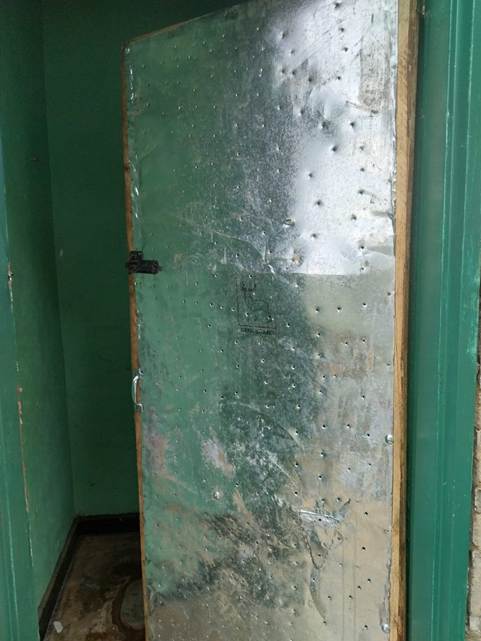
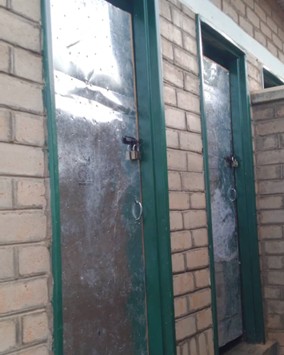
As part of the ongoing learning and adaptation process, the research team introduced an additional improvement at Chimwankhunda Primary School: the installation of doors on the school toilets. This enhancement followed feedback from key stakeholders particularly school management and learners who raised concerns about unrestricted community access to the school sanitation facilities. Such access was found to affect both the effective implementation and the long-term sustainability of the TIPs activities. Importantly, learners also highlighted the need for improved privacy while using the toilets.
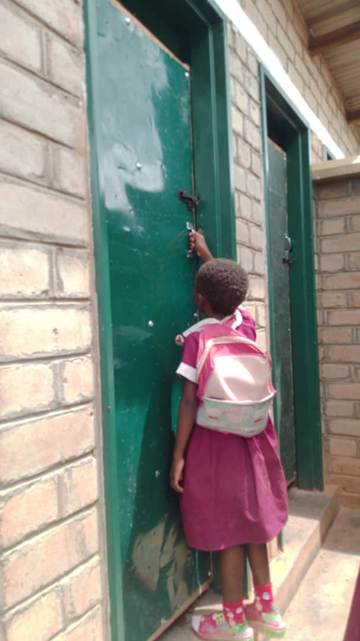
Unrestricted access to the toilets had been linked to several challenges, including the theft of anal cleansing paper storage sacks, fecal smearing on latrine walls, defecation beside the drop holes, andurination on toilet floors. These issues undermined the cleanliness, hygiene, and overall usability of the facilities, making them less suitable for learners.
The installation of lockable doors is therefore intended to enhance both security and privacy for learners. By limiting unauthorized access, the initiative is expected to improve hygiene standards, reduce misuse, and support better maintenance of the sanitation facilities key objectives of the TIPs approach.
The doors were designed with careful consideration of affordability, learner safety, and ease of use, ensuring that the solution is practical, sustainable, and well-suited to the school environment.
By Monica Nzanga – MUBAS and WaSH Team