Reflections from women Early Career Researchers contributing to the NIHR Global Health Research Group on Improving Adolescent Health and Wellbeing in Malawi.
As we reflect on International Women’s Day 2026, we are proud to spotlight the voices of women Early Career Researchers (ECRs) contributing to the NIHR Global Health Research Group on Improving Adolescent Health and Wellbeing in Malawi.
This year’s theme – “Rights. Justice. Action. For ALL Women and Girls.” , highlighted by UN Women, reminds us that progress toward gender equality depends on strengthening opportunities, representation, and access to justice for women and girls worldwide.
Women researchers play an important role in this progress. Through their work and collaboration, the Early Career Researchers in this project are contributing new knowledge and perspectives that help deepen our understanding of adolescent health and wellbeing in Malawi.
In the reflections below, they share their experiences, what they have learned on their research journeys, and what motivates their work in global health.
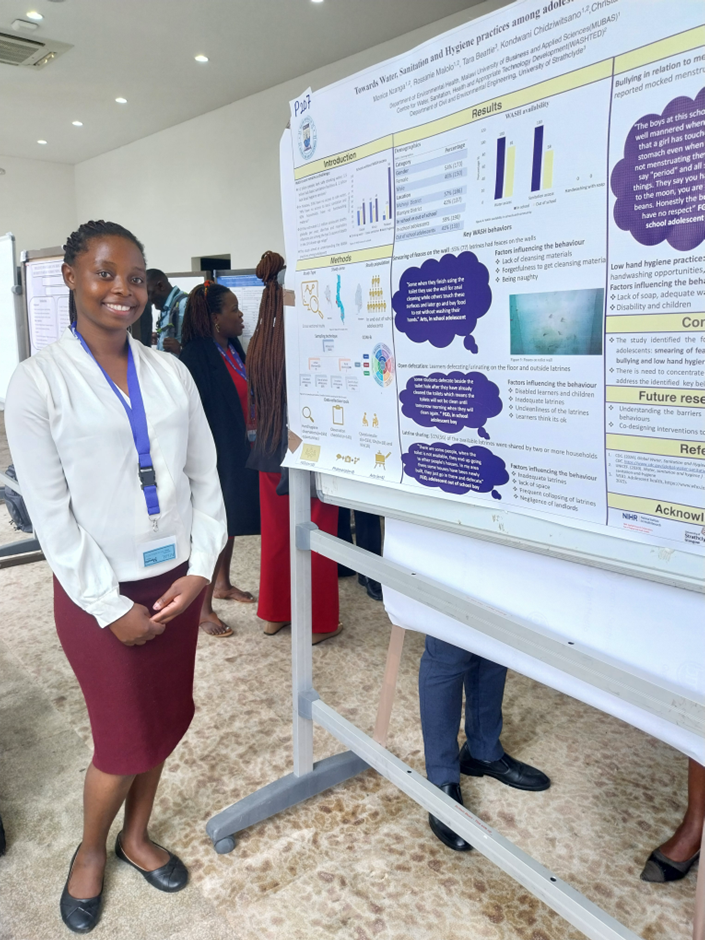
I am Monica Nzanga, an MSc researcher in Injury Prevention and WaSH. Being an Early Career Researcher on the NIHR-GHRG project has been both a rewarding and transformative experience. Working on a global health project focused on school environments has allowed me to contribute to research that aims to improve the health and wellbeing of adolescents. A key lesson I have learned so far is the importance of meaningful stakeholder engagement throughout the research process. Using co-design approaches has shown me how valuable it is to involve teachers, learners, government partners, and other stakeholders in shaping interventions so that they are relevant, practical, and responsive to the realities of schools.
What interest me most in this journey is how dynamic and interdisciplinary global health research can be. Beyond technical research skills such as data collection and analysis, it requires strong communication, collaboration, and adaptability. Working closely with different partners has helped me appreciate the importance of translating research into interventions that can be implemented in real-world settings.
As a woman in research, I believe it is important to continue building confidence, leadership, and technical expertise. Representation and mentorship play an important role in supporting women to grow and lead in global health research. For me, career development means strengthening my research capacity while contributing to evidence that can inform policies and interventions that improve health and learning outcomes for young people.
Monica Nzanga, MSc WaSH – Malawi University of Business and Applied Science (MUBAS)

My experience as a PHD fellow on the NIHR‑GHRG project has been outstanding. In my mind I thought I was joining a team just to conduct my study, contribute to theirs and graduate. However, the journey has been full of new learnings. From experiencing creativity in data collection using photo voice, developing a guiding tool for co-designing, engaging young people in disseminating research at a youth summit, presenting at both national and international platforms, to developing a training manual for the main study intervention. What I have learned so far is the development of training materials. A very critical and stressful stage of the project and yet exciting. Seeing the content, we have had to transform it to a manual, poster, audio message or flip chart has been one of the highlights. This literally turned all our abstract ideas into a physical object we could hand over to other stakeholders.
Our work package on Adverse Childhood Experiences (ACEs), Sexual and Reproductive Health & Rights (SRHR) and mental health is important and relevant to both my studies and my career. Getting to understand ACEs in detail has helped me to appreciate how collaboration is important in my professional work. I work with the ministry of Health and Sanitation, but with the exposure of ACEs as the factors driving negative outcomes in SRHR among young people, I will strive to approach all the policies and interventions I implement with a multisectoral view.
I am very proud to be one of the women trying to make an impact in the global health space. My focus is on addressing teenage pregnancy through policies that align with the current challenges and interventions that ensure equitable access to holistic services. I hope one day I will inspire a girl from an underprivileged background to find her worth and not to look at her current challenge as an end to her dream.
Felistas Mpachika-Mfipa, PhD Candidate – Kamuzu University of Health Science (KUHeS)
Working as an Early Career Researcher on the NIHR-GHRG project has been inspiring. My work focuses on understanding how policies intended to protect girls translate into real changes in women’s lives over time. Being part of this research has reinforced how powerful policy can be, but also how complex its effects are in practice. Laws alone are rarely enough; their impact depends on social norms, enforcement, and broader structural factors affecting girls and women.
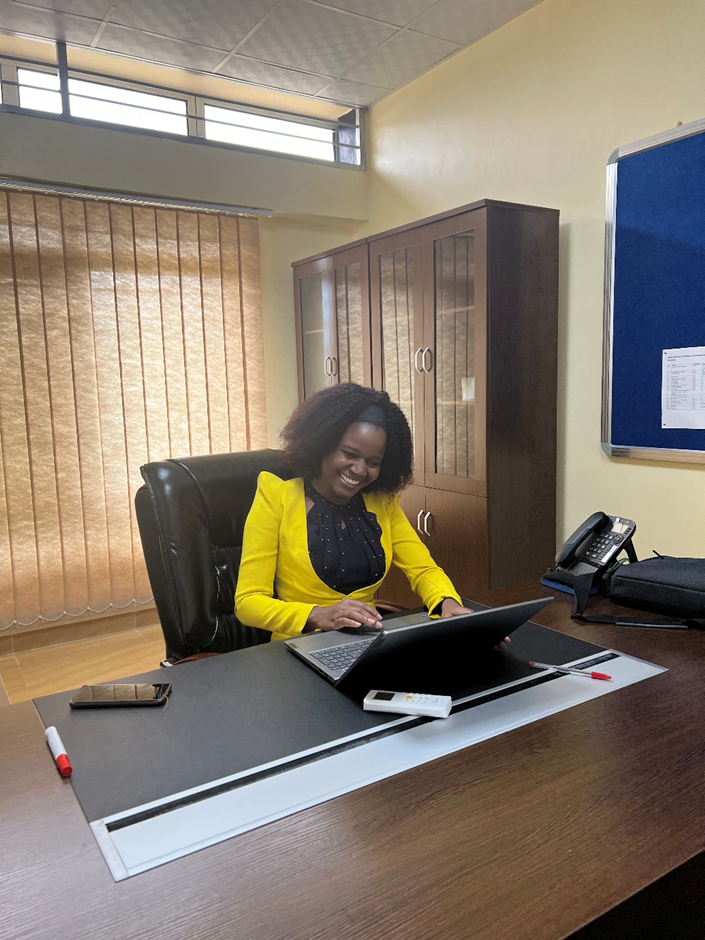
One of the most striking lessons in this journey has been recognising the importance of rigorous evidence in shaping conversations around gender equality. Research can help move discussions beyond assumptions and highlight where policies succeed, where gaps remain, and how interventions might be strengthened to better support girls’ transitions into adulthood.
As a woman working in global health and gender-focused research, I feel particularly connected to the questions our work seeks to answer. It is motivating to contribute to research that aims to improve opportunities and outcomes for girls and women globally. For me, this work represents not only academic inquiry, but also a commitment to advancing equity through evidence.
Laeticia Pemba, PhD Candidate – University of Strathclyde (Strathclyde Business School)
One of the most powerful lessons I have learned as an Early Career Researcher is the importance of creating spaces where young people can genuinely express their experiences. Too often, discussions about young people’s wellbeing are shaped by adult assumptions. Through this project, I have had the opportunity to work directly with adolescents aged 10–14 using creative and participatory approaches, including storytelling and visual methods.
What has surprised me most is how clearly and thoughtfully young people articulate their realities when given the right tools and environment. Issues such as bullying, name-calling, exclusion, and family pressures emerge not just as isolated experiences but as part of broader social environments that shape wellbeing.
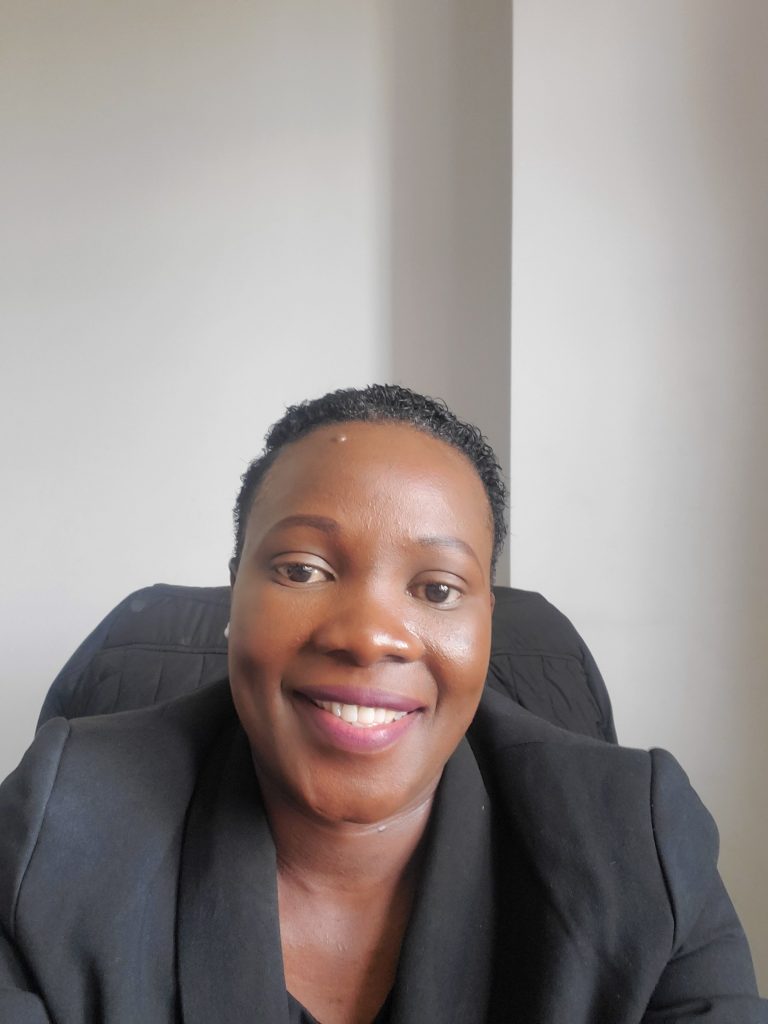
This experience has reinforced my belief that young adolescents are not simply beneficiaries of research or policy – they are knowledgeable contributors. When we listen carefully, their insights provide valuable guidance for designing interventions that are meaningful and contextually grounded.
As a woman researcher working in global health and social policy, I am inspired by the collective strength of women researchers across this project. Our diverse perspectives and commitment to evidence-informed change are helping ensure that the voices of young people are heard and valued.
Velia Manyonga, PhD Candidate – University of Strathclyde (Humanities & Social Sciences)
The past two years of being an early career researcher in the NIHR-GHRG project has been a journey that has seemed at times a process of self-discovery, learning and at times leading as gradually I am ushered into new ways of thinking, research and collaboration. This research study led by two accomplished women academics has been enriching and inspiring. From the many mentors within this project, I have often been challenged to reflect on the meaningful ways of working with adolescents on health and wellbeing. And I have learnt that they are a generation embodying potential, need, and emerging leadership.
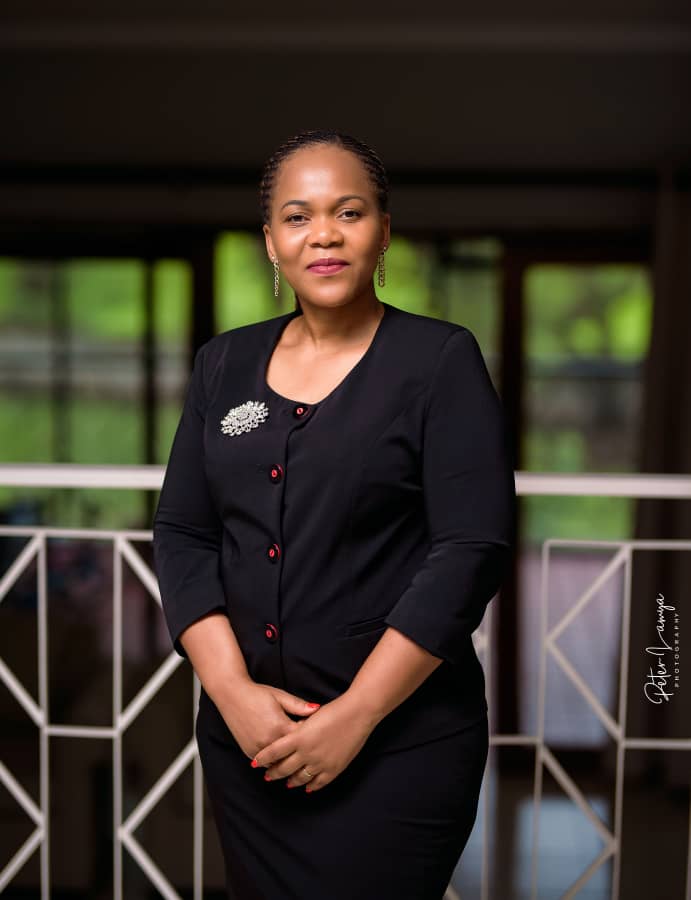
As part of the almost all female Malawian PhD Cohort in the project, I carry a deep sense of pride in the journey of shared learning. There have been many moments of applause and encouragement. Many times there has been collaboration, learning from and leaning on each other in harder times when the work has been challenging.
So as we celebrate women in this project and in the world, I am grateful and appreciate being part of the amazing PhD cohort and the NIHR-GHRG!
Lusizi Kambalame, PhD Candidate – Malawi University of Business and Applied Science (MUBAS)
Supporting the next generation of women researchers is an important part of advancing equitable and inclusive global health research. The reflections shared here highlight the dedication, curiosity, and leadership of women Early Career Researchers contributing to the NIHR Global Health Research Group on Improving Adolescent Health and Wellbeing in Malawi.
In the spirit of this year’s International Women’s Day themes; from “Rights. Justice. Action. For ALL Women and Girls” to the call to “Give to Gain” – their journeys remind us that progress is built through collaboration, mentorship, and the sharing of knowledge and opportunities. By investing in women researchers today, we help strengthen the evidence, leadership, and partnerships needed to improve the health and wellbeing of adolescents and communities tomorrow. With that, we thank all the phenomenal women Early Career Researchers across the project for sharing their experiences and for the important contributions they continue to make to global health research.