Empowering inclusion and addressing systemic inequalities through inclusive policies and social protection
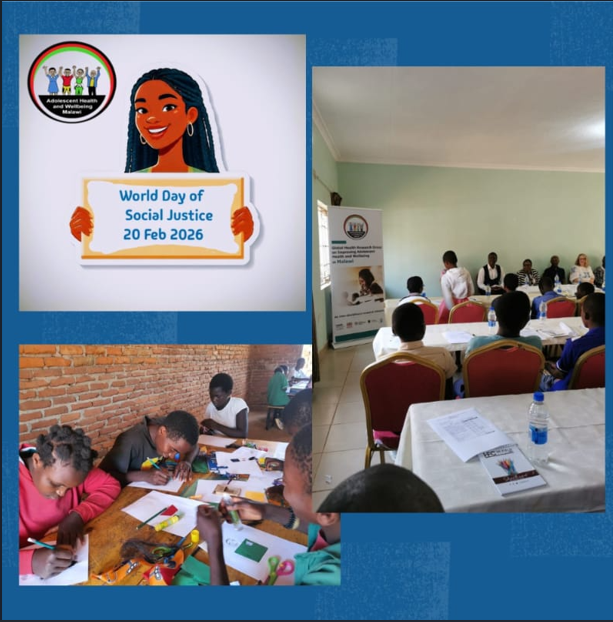
Every year on 20 February, World Day of Social Justice reminds us that a young person’s future should never be determined by where they are born, their gender, or their family circumstances. Yet for millions of adolescents, these factors still shape their opportunities, wellbeing, and life trajectories.
At the NIHR Global Health Research Group on Adolescent Health and Wellbeing, we focus on some of the most persistent inequalities affecting young people: child marriage, unequal access to education, sexual and reproductive health and WASH services, and limited representation in policy spaces. Our work aims to strengthen inclusive policies and social protection systems so that all adolescents can thrive.
Elevating adolescent voices
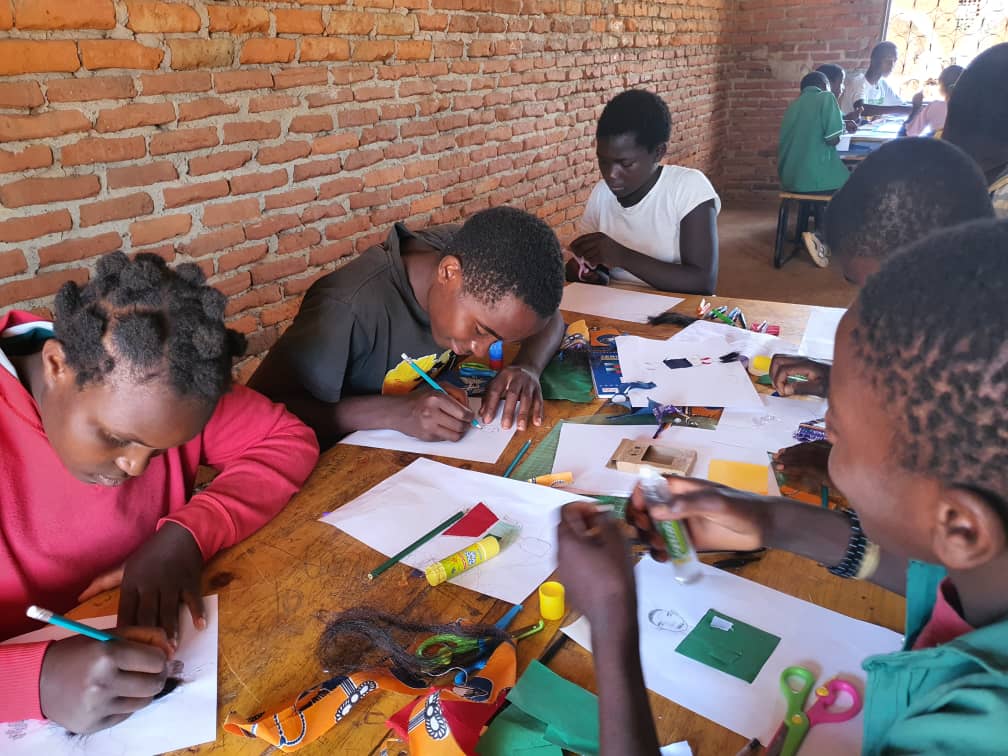
Adolescents are experts in their own lived experiences, yet their perspectives are often overlooked in the policies designed for them. We are committed to changing that. Through participatory research methods, we are actively gathering adolescents’ insights on the challenges they face and the solutions they believe will make a difference. Our approach is grounded in the principle of “nothing for us, without us.”
Harmonising policies for greater impact
Inclusive policies only work when they are coherent and aligned. Fragmented or conflicting policies can undermine progress. Our team is conducting a comprehensive scoping review of policies affecting adolescent health and wellbeing, identifying gaps, inconsistencies, and opportunities for better coordination. Harmonised policies create stronger, more equitable systems of support.
Evaluating policies that shape adolescent lives
Many countries have introduced laws to protect adolescents such as, banning child marriage, restricting child labour, or expanding access to education, just to mention a few. But do these policies create lasting change, and for whom? Our research examines the real-world impact of such policies, ensuring they are not only well‑intentioned but genuinely effective. Rigorous evaluation helps ensure that no adolescent is left behind.
Understanding how inequality shapes policy outcomes
Even the most inclusive policies can unintentionally reinforce inequalities if they are not implemented equitably. For example, a labour ban enforced in urban areas but not in rural communities may improve outcomes for some adolescents while widening the gap for others. That is why our research includes adolescents from both rural and urban settings and examines multiple dimensions of inequality. Effective social protection must work for all young people.
As we reflect on this year’s theme, we are reminded that advancing social justice requires more than good policy, it requires listening, learning, and addressing the structural inequalities that shape young people’s lives. Our work continues with this commitment at its core.
Written by – Laeticia Pemba ( University of Strathclyde: School of Business Studies PhD Student)
#WorldDayofSocialJustice #AdolescentHealth #GenderEquity #SocialJustice #GlobalHealth #NIHR