Every year on June 16, Africa observes the Day of the African Child. The theme for 2026 is “Ensuring universal access to water, sanitation, and hygiene for every child in Africa.”, which focuses on one of the most critical issues affecting children’s survival, health, and future: WASH (Water, Sanitation, and Hygiene).
WASH are not luxuries, they are fundamental rights. Yet millions of children across Africa still face daily challenges accessing clean water and safe sanitation facilities.
· Health impact: Unsafe water and poor sanitation are leading causes of diarrheal diseases, which remain among the top killers of children under five across Africa.
· Education impact: Lack of proper WASH facilities in schools disproportionately affects girls, especially during menstruation, leading to absenteeism and dropout.
· Dignity and mental health: Access to private, safe sanitation reduces stigma, stress, and the psychosocial burden children often carry.
This theme directly connects to the Sustainable Development Goals (SDG) 3: Good health and well-being, 4: Quality education and 6: Clean water and sanitation
This year’s commemoration is a rallying cry for governments, civil society, and communities to:
· Invest in WASH infrastructure in schools and communities.
· Promote inclusive policies that ensure no child is left behind, especially in rural and marginalized areas.
· Empower youth voices to advocate for their right to safe water and sanitation.
· Strengthen partnerships between governments, NGOs, and international organizations to accelerate progress.
Our Contribution: The Adolescent Health and Wellbeing Project
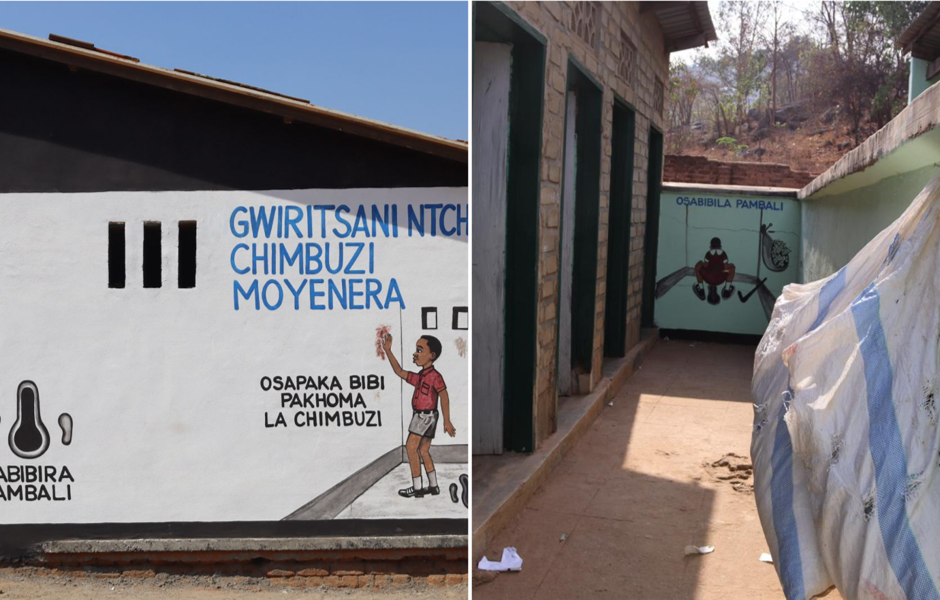
Through our National Institute for Health and Care Research (NIHR) Global Health Research Group on Adolescents health and well-being, we have been working closely with adolescents, schools, and communities in Blantyre (urban site) and Mchinji (rural site) districts to improve WASH outcomes. Using a participatory co-design process involving learners, teachers, chiefs, district stakeholders, and various Non-Governmental Organisations (NGOs), we identified solutions to key challenges including faecal smearing on toilet walls and open defecation in Blantyre schools and poor hand hygiene practices in both schools and homes in Mchinji; there issues were identified during our formative research with these communities.
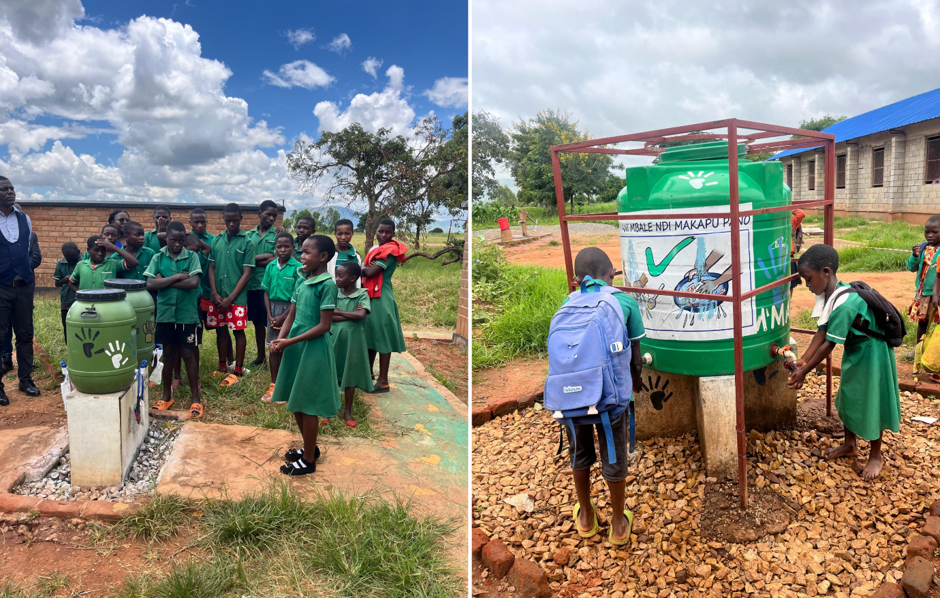
Using co-designing we developed sanitation and hygiene packages for Blantyre and Mchinji respectively. We then conducted Trials of Improved Practices (TIPs) in order to pilot and improve the sanitation and hygiene interventions, alongside developing a practical School Sanitation and Hand Hygiene Manual. The project is currently conducting feasibility studies to test these interventions at a larger scale in both districts with the aim of finalising the intervention packages so that they can be rolled out on a wider scale to improve WASH infrastructure and practices to ensure no child is left behind.