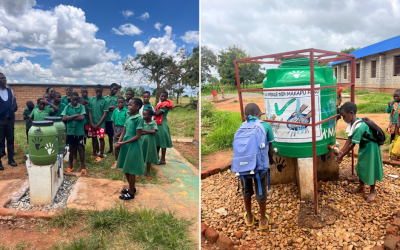
Inadequate school sanitation means more than ‘bad toilets’. It can undermine learners’ health, dignity, safety, wellbeing and participation in education, with particular implications for adolescents and other learners whose sanitation needs may not be adequately addressed.
Through the Centre for Water, Sanitation, Health and Technology Development (WASHTED) at the Malawi University of Business and Applied Sciences (MUBAS), under the NIHR Global Health Research Group on Adolescent Health and Wellbeing, in collaboration with the Kamuzu University of Health Sciences (KUHeS) and the University of Strathclyde, we are implementing a feasibility study in primary schools in Blantyre District, Malawi. The study aims to improve sanitation and hygiene behaviours among learners and other key school stakeholders, while promoting better school toilet cleanliness and maintenance.
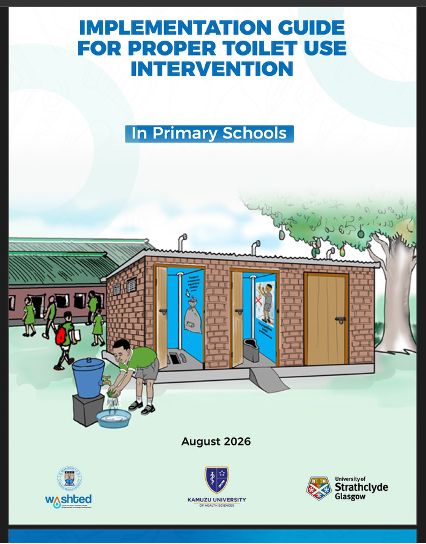
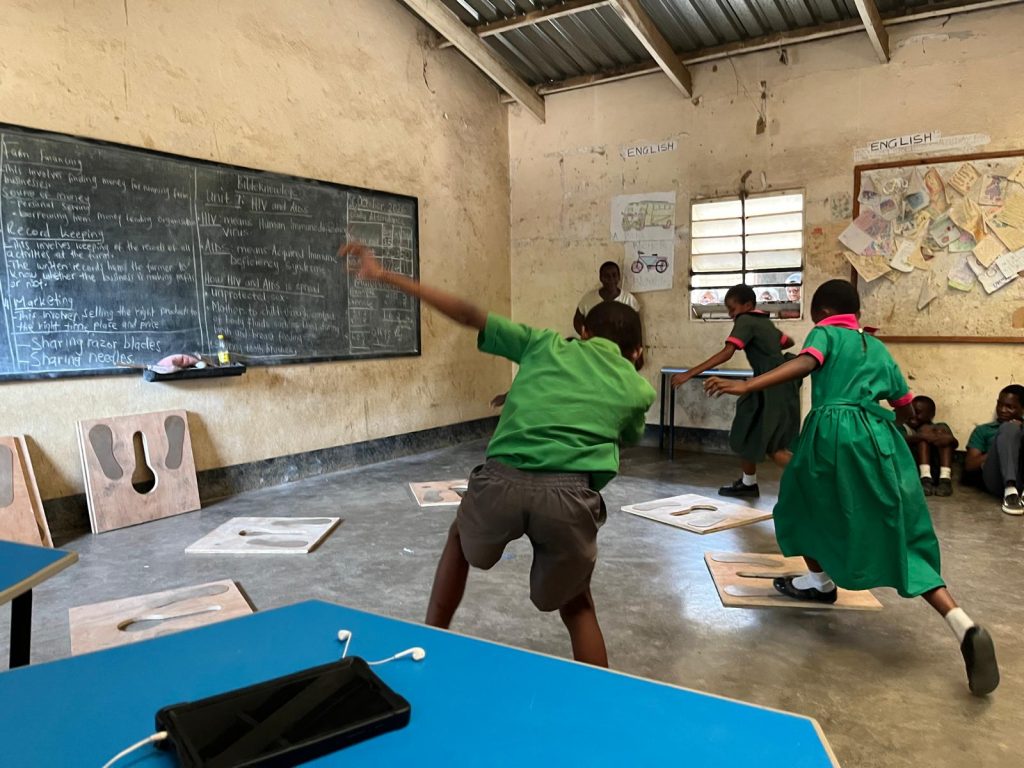
The intervention adopts participatory and engaging approaches, guided by a developed Proper Toilet Use Intervention Guide, to promote appropriate toilet use, including toilet cleanliness and maintenance among learners. Activities include interactive games, peer-led awareness activities with support from teachers. By actively engaging learners, teachers and other key school stakeholders, the intervention aims to promote positive sanitation and hygiene behaviours and foster shared responsibility for ensuring that school toilets are clean, safe, private, comfortable, inclusive, and responsive to the needs of all learners.
Aligned with this year’s World Toilet Day theme, “Safe Toilets. Equal Futures,” our work recognises that safe and inclusive school toilets are not simply a matter of infrastructure; they are essential for creating an environment where all learners can participate in education and reach their full potential.