logo
  • How We Work
    • Overview
    • WS1: Capacity Strengthening and Training
    • WS2: Economic and Policy Frameworks
    • WS3: Formative Research and Longitudinal Observatory
    • WS4: Water, Sanitation and Hygiene, and Adolescents
    • WS5: Sexual and Reproductive Health Rights and Adolescents
    • WS6: Inspiring Adolescent Wellbeing
  • Who We Are
    • Overview
    • Research Team
    • Steering Group
    • Programme Management Group
  • Capacity Building and Training
    • PhD Students
    • Master’s students
    • Training
    • Early Career Researcher Development
  • Resources Hub
  • News & Events
  • Initiatives
  • Follow
  • Follow
  • Follow
The Day of the African Child 2026: Ensuring universal access to water, sanitation, and hygiene for every child in Africa

The Day of the African Child 2026: Ensuring universal access to water, sanitation, and hygiene for every child in Africa

by Pamela Dube | Jun 16, 2026 | Blog

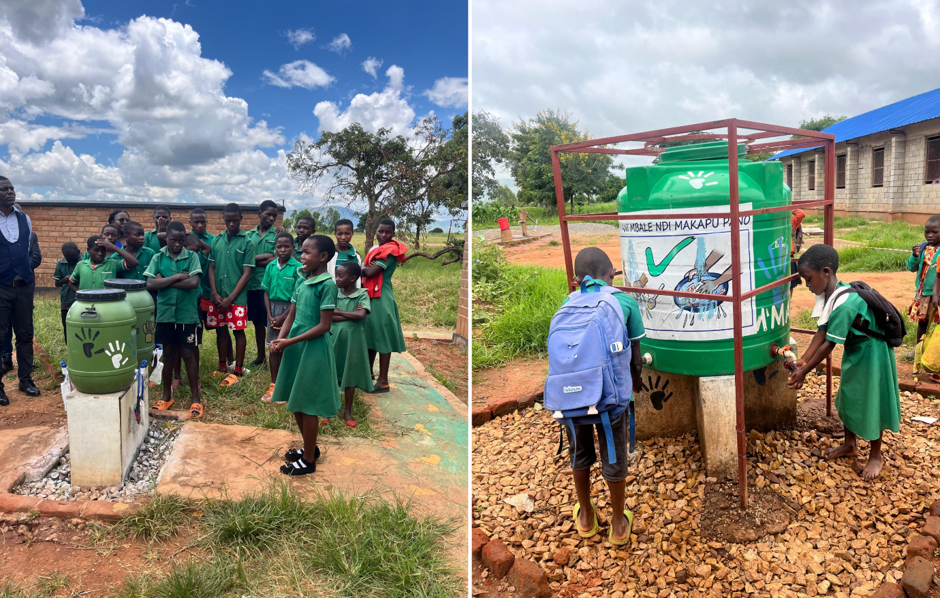
Every year on June 16, Africa observes the Day of the African Child. The theme for 2026 is “Ensuring universal access to water, sanitation, and hygiene for every child in Africa.”, which focuses on one of the most critical issues affecting children’s survival, health,...
Recent Posts

  • The Day of the African Child 2026: Ensuring universal access to water, sanitation, and hygiene for every child in Africa
  • Building a #PeriodFriendlyWorld: What the Adolescent Health and Wellbeing Study in Malawi Reveals About Menstrual Hygiene in Schools
  • Where Water Flows, Insights Grow: A Week in Glasgow
  • More Than Just Doors: Creating Safer and More Dignified School Toilets
  • Our Women Early Career Researchers Reflect on Their Journey in Global Health

Recent Comments

No comments to show.
logo

Adolescent Health Well-being

  • Follow
  • Follow
  • Follow

Quick links

How We Work

Who we are

Capacity Building and Training

Resources Hub

News & Events

Initiatives

Contact Us

Contact Us

Get the latest research, news and events from AHWM

Success!

Subscribe

©2025 Global Health Research Group Project funded by NIHR